
Clear product boundary
Rubber covers are for grip, wear resistance, pressure, and handling control; high-temperature textile covers stay in the glass-industry catalog.
Custom rubber roller coverings for woven sacks, textiles, technical textiles, packaging, paper, and tyre cord production.
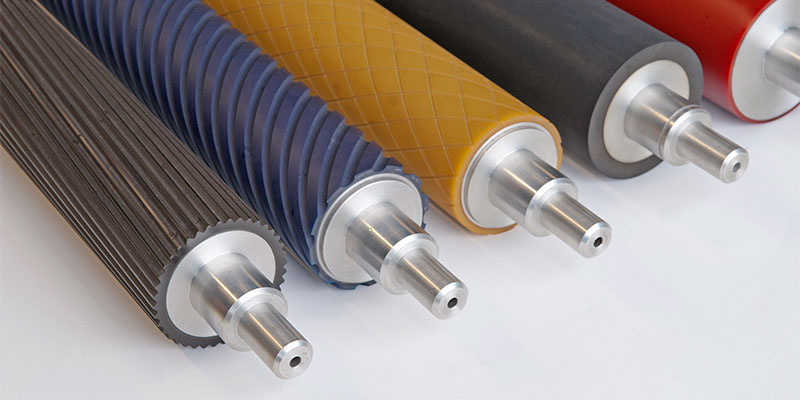
Rubber roller covers are specified around traction, feeding accuracy, release behavior, chemical exposure, hardness, and continuous handling demands.
This page covers rubber compound roller covers. High-temperature Kevlar tubing and TUFFNIT textile covers for glass bending and tempering are covered separately in the Glass Industry range.
Rubber covers are for grip, wear resistance, pressure, and handling control; high-temperature textile covers stay in the glass-industry catalog.
Hardness, surface finish, abrasion resistance, and chemical resistance are matched to the line and the material being handled.
Roller dimensions, load, speed, product contact, current cover type, and failure mode help narrow the right recommendation.
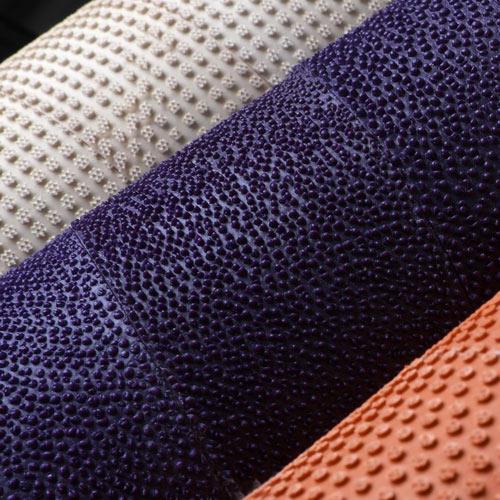
Rubber covers for controlled feed, printing stability, and repeatable material handling in woven sack production.

Controlled movement and release properties for fabric treatment, printing, coating, and finishing applications.
Durable rubber coverings for printing, lamination, coating, and feeding where downtime and slippage are costly.
Heavy-duty roller coverings that preserve tension and grip while protecting product quality under demanding loads.
Use the application family and roller details together for the fastest recommendation.
Rubber cover selection depends on both the roller and the process.
| Detail | Why it matters | Example |
|---|---|---|
| Roller dimensions | Confirms sizing and cover geometry | Outside diameter, face width, shaft details |
| Hardness target | Controls grip, pressure, and release | Current Shore hardness or desired behavior |
| Material handled | Determines compound and surface needs | Woven sack, paper, textile, tyre cord |
| Operating conditions | Identifies wear and chemical risks | Speed, pressure, chemicals, temperature |
| Current problem | Targets the recommendation | Slippage, wear, marking, swelling, poor feed |
Send roller dimensions, current hardness, material handled, speed, pressure, environment, and the issue you want to correct.